Bulk Supply of Tools Pallet
The Ultimate Guide to Pallet Liquidation: Tips for Smart Buyers
Pallet liquidation offers an exceptional chance for shoppers in search of marked-down merchandise. Understanding the nuances of this market is essential for success. From finding dependable marketplaces to examining merchandise conditions, the process requires careful consideration. Additionally, avoiding common pitfalls can greatly impact potential profits. As sellers examine the diverse methods for profitable reselling, they should remain conscious of the underlying dangers present. The subsequent measures might determine their path toward increasing returns.
Pallet Liquidation Explained: What It Is and How It Works
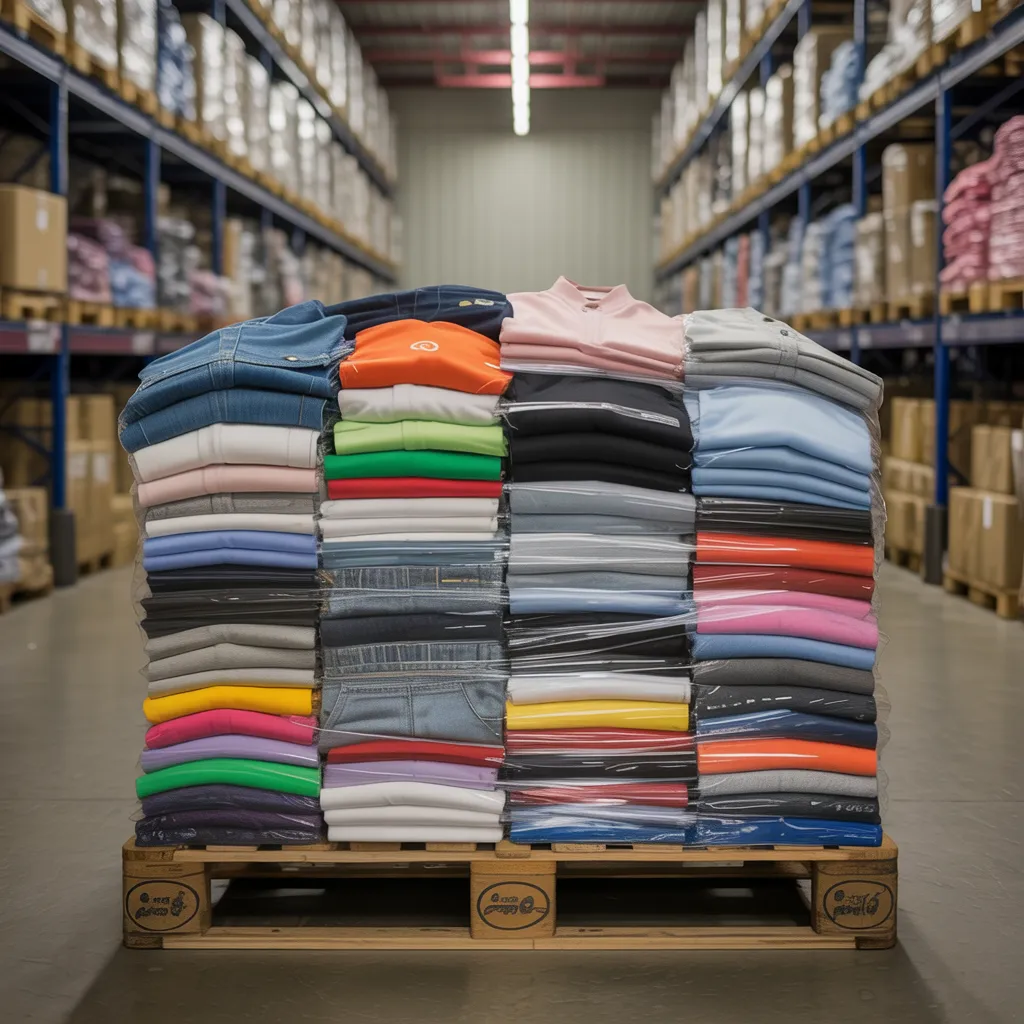
Pallet liquidation serves as an effective method for businesses to handle surplus inventory effectively. This approach includes the sale of large amounts of unsold goods, typically arranged on pallets, to liquidators or resellers. Companies facing surplus or discontinued products typically turn to liquidation to recoup a portion of their original investment.
Liquidation pallets may consist of an assortment of items, including clothing, electronics, or household goods, acquired from a range of retailers. Small businesses and individual entrepreneurs, among other buyers, purchase these pallets to resell the items at a profit.
The liquidation process often occurs through auctions or direct sales, delivering a rapid answer for organizations aiming to move their merchandise. Understanding the mechanics of pallet liquidation is crucial for both sellers aiming to optimize their inventory management and buyers seeking profitable resale opportunities in a highly competitive industry.
Key Benefits of Buying Liquidation Pallets
When business owners look for affordable methods to supply their companies, buying liquidation pallets frequently stands out as a compelling choice. Among the main advantages is the possibility of considerable financial savings, as these pallets are typically sold at a fraction of their retail value. This provides businesses with the ability to secure inventory affordably, ultimately boosting their overall profitability.
Furthermore, liquidation pallets frequently include a varied assortment of products, presenting buyers with the ability to provide a wide selection to their customers. This variety can draw in multiple consumer segments and enhance sales.
Additionally, purchasing liquidation pallets can lead to remarkable discoveries, including discontinued or hard-to-source items, which can differentiate a business from its competition. In the end, the opportunity to swiftly replenish merchandise through liquidation buying can boost inventory efficiency and awareness of market developments. In summary, such advantages position liquidation pallets as an excellent opportunity for shrewd business professionals.
Selecting the Best Liquidation Platform: Key Criteria to Consider
Finding the right platform for purchasing liquidation pallets is essential for maximizing the benefits of these cost-effective inventory solutions. Buyers should consider several key criteria when selecting a platform. Initially, trustworthiness plays a significant role; reputable platforms generally offer more consistent products and services. Next, transparency in pricing and fees helps buyers make informed decisions without hidden costs. Additionally, the variety of available products can greatly impact potential profits; platforms with diverse inventory often cater to different market needs.
Customer service is another critical aspect; responsive support can assist buyers in overcoming challenges. Ultimately, user reviews and ratings offer insights into the experiences of other purchasers, helping to gauge platform reliability. By evaluating these elements, buyers can better position themselves to make smart investments in liquidation pallets, securing a rewarding acquisition process.
How to Check Liquidation Pallets Like a Pro
Within the realm of pallet liquidation, careful examination and market analysis are critical for achieving success. A professional approach begins with examining the condition of pallets before purchase, making sure that possible value is identified. Additionally, knowing the market worth of products contained in these pallets can result in well-informed choices and improved profit margins.
Check Before Purchasing
Evaluating liquidation pallets ahead of acquisition is crucial for savvy buyers looking to optimize their returns. A meticulous inspection enables buyers to evaluate the overall state of the items contained within. First, they should identify visible defects, such as dents or broken packaging, which could suggest defects in the product. Furthermore, it's vital to verify the item count against the manifest, making sure no items are absent. Buyers should also examine high-value items carefully, as these can significantly influence the return on investment. Finally, understanding the return policy of the liquidation company can provide added security. By performing a careful evaluation, buyers can reach knowledgeable conclusions that enhance their chances of success in the resale market.
Analyze Market Value
Upon finishing a thorough examination of liquidation pallet lots, the subsequent phase involves assessing their market worth. This important stage enables buyers to assess likely returns. To measure the market price, buyers should investigate similar merchandise online by utilizing sites like eBay, Amazon, or dedicated liquidation platforms. Checking completed sales can shed light on market pricing patterns and buyer demand. Moreover, reviewing industry publications and discussion boards can further illuminate the current market landscape. Buyers should also consider factors such as item condition, brand standing, and seasonal demand, as these considerations heavily affect resale potential. By carrying out careful market analysis, buyers can arrive at well-considered conclusions, helping them allocate resources effectively and optimize their gains on liquidation pallet purchases.
Critical Mistakes to Avoid When Purchasing Liquidation Pallets
Although many buyers are eager to dive into the world of liquidation pallets, several common mistakes can lead to disappointing purchases. One significant error is failing to research the seller's reputation. Buyers should verify reviews and feedback to confirm they are dealing with a trustworthy source. Moreover, failing to examine pallet manifests can produce unforeseen outcomes. Shoppers should consistently examine the product inventory to assess possible worth.
One other common error is failing to set a budget. Unplanned purchases can rapidly increase expenses, causing financial difficulties. Buyers should also avoid overlooking shipping costs, which can significantly reduce profit margins.
In addition,many newcomers overlook the effort and time involved in reselling and sorting merchandise. Realistic expectations and careful planning are crucial to minimize frustration. By avoiding these pitfalls, shoppers can elevate their liquidation pallet experience and make smarter decisions.
Proven Strategies for Reselling Liquidation Pallets
Effectively reselling liquidation pallets demands a strategic approach that goes beyond simply purchasing them. A savvy reseller begins by thoroughly evaluating the contents of each pallet, recognizing merchandise with promising resale opportunities. Researching market trends and consumer demand can help pinpoint which products are likely to sell quickly and at a profit.
To begin with, building an online presence using platforms such as online marketplaces or social media platforms can substantially increase reach. Developing compelling descriptions with professional photos and in-depth descriptions attracts prospective purchasers. In addition, offering competitive rates while considering postage fees can result in faster sales.
Networking with other resellers can offer meaningful insights and chances for collaboration, improving long-term success. Regularly monitoring inventory turnover helps resellers refine their methods based on results, improving their return on investment. By utilizing these methods, resellers can confidently operate within the liquidation market important guide and boost their overall profitability.
Recognizing Risks in Pallet Liquidation: Vital Tips
In the world of pallet liquidation, identifying potential risks is essential for success. Key factors such as understanding product condition, researching seller reputation, and evaluating shipping costs can greatly impact outcomes. By concentrating on these factors, buyers can arrive at better-informed decisions and minimize potential losses.
Comprehend Product Condition
Examining product condition is essential for those participating in pallet liquidation, as it directly impacts overall profit margins. Purchasers need to distinguish among new, used, and damaged items among the inventory. Unused items usually yield better profit margins, while used items might need restoration or fixing. Compromised goods present considerable challenges, as they might fail to attract buyers or might cause economic drawbacks. A comprehensive evaluation of all merchandise is essential, including verifying operational performance, visual defects, and missing parts. Furthermore, knowing the return guidelines of vendors can offer additional clarity on underlying hazards. Through carefully assessing merchandise status, buyers can make informed decisions, ultimately maximizing their returns and minimizing avoidable setbacks in the resale journey.
Research Seller Reputation
A detailed knowledge of product condition sets the stage for another critical aspect of pallet liquidation: investigating seller credibility. Purchasers should look for sellers who have demonstrated consistent reliability and transparency. This encompasses examining online reviews, testimonials, and scores from former customers. A trustworthy seller typically offers precise descriptions of their pallets, accompanied by thorough photographs. Moreover, taking part in forums or social media groups centered on pallet liquidation can generate helpful insights regarding potential sellers. Buyers should also be wary of sellers who are evasive about their policies or past performances. By thoroughly vetting sellers, buyers can minimize risks and enhance their chances of successful purchases in the pallet liquidation market.
Evaluate Shipping Costs
Shipping expenses can significantly affect the general profitability of pallet liquidation purchases. Buyers must carefully evaluate these expenses, as they can fluctuate significantly based on distance, copyright, and shipment size. A thorough understanding of likely shipping costs enables purchasers to make educated choices when picking pallets. Furthermore, unforeseen additional fees, such as fuel or handling fees, can additionally increase expenses. It is vital to obtain shipping quotes from various shipping providers to assess pricing accurately. Purchasers ought to explore local collection alternatives, which may reduce costs and mitigate risks associated with long-distance shipping. At the end of the day, precisely determining freight costs guarantees that buyers maintain profitability in their liquidation pallet endeavors, making it an essential element of the acquisition process.
Questions We Often Receive
How Do I Determine the Value of a Liquidation Pallet?
To establish the value of a wholesale liquidation pallet, evaluate its contents, investigate current market prices, consider the condition and demand, and estimate possible resale profits. Thorough evaluation ensures well-informed purchasing decisions and optimizes your potential returns.
Am I Able to Return a Pallet if I'm Unhappy With It?
Liquidation pallet transactions are largely considered final, and refunds are generally not available. Customers should diligently read through all terms and conditions before completing a purchase, making certain they are fully aware of the inherent risks and the possibility of receiving substandard merchandise.
What Kinds of Products Can You Usually Find in Liquidation Pallets?
Liquidation pallets often contain an assorted mix of merchandise, including clothing, electronics, appliances, toys, and home goods. The particular merchandise changes based on the retailer, but purchasers can anticipate new as well as returned products in varying conditions.
Are There Any Fees Associated With Buying Liquidation Pallets?
Yes, charges related to purchasing liquidation pallets can consist of shipping costs, handling fees, and sometimes a buyer's fee. Such extra costs vary by seller and ought to be included in the total buying decision.
Where Can I Locate Local Liquidation Sales or Auctions?
To find local liquidation sales or auctions, individuals can browse online classifieds, connect with liquidation-focused social media communities, reach out to local wholesalers, and copyright for newsletters from liquidation companies to stay informed about upcoming sales and events.